
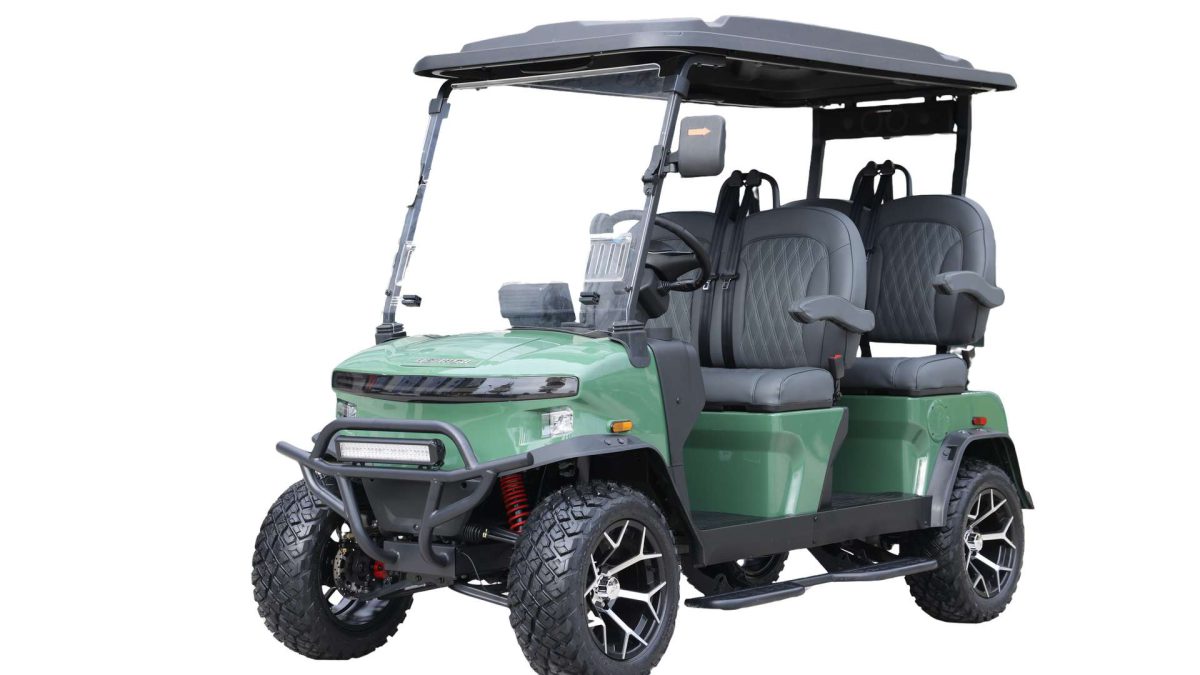
Verdant
Your Journey into Lithium-Powered Community Transportation
Making the transition from traditional golf cart owner to modern electric cart enthusiast represents more than just purchasing a vehicle—it’s an investment in advanced technology, environmental responsibility, and enhanced community mobility. For first-time buyers in Canada, understanding lithium battery technology and its advantages can make the difference between years of satisfaction and expensive regrets.
The Canadian market for electric carts has matured significantly, offering sophisticated options that bear little resemblance to the basic golf carts of previous decades. Today’s lithium-powered vehicles provide reliable transportation suitable for year-round Canadian conditions while delivering economic and environmental benefits that traditional alternatives cannot match.
Understanding Lithium Battery Technology
The foundation of any quality electric cart lies in its battery technology. Lithium Iron Phosphate (LiFePO4) batteries represent the current gold standard for electric cart applications, offering significant advantages over both traditional lead-acid batteries and standard lithium-ion alternatives.
**Safety and Thermal Stability**: LiFePO4 chemistry provides enhanced safety characteristics crucial for Canadian climate conditions. Unlike standard lithium-ion batteries, LiFePO4 systems maintain thermal stability across wide temperature ranges, from prairie winters to coastal humidity, without the thermal runaway risks associated with other lithium chemistries.
**Longevity and Performance**: Quality LiFePO4 batteries deliver 2,000 to 3,000 charge cycles while maintaining 80% capacity—compared to 300-500 cycles for lead-acid alternatives. According to the EPA’s comprehensive electric vehicle analysis, modern electric vehicle batteries show remarkable reliability, with replacement rates below 2.5% for established manufacturers.
For Canadian buyers, this translates to 5-8 years of reliable service under normal conditions, making the higher initial investment economically justified through reduced replacement costs and improved performance consistency.
Climate Considerations for Canadian Buyers
Canadian electric cart buyers must evaluate battery performance across extreme temperature variations. Quality lithium systems incorporate thermal management technology that maintains performance in conditions ranging from -30°C to +40°C.
**Cold Weather Performance**: While all battery technologies experience reduced capacity in cold conditions, modern LiFePO4 systems minimize this impact through advanced battery management systems and integrated heating elements. Expect approximately 20-30% range reduction in severe cold, compared to 50%+ reductions common with lead-acid systems.
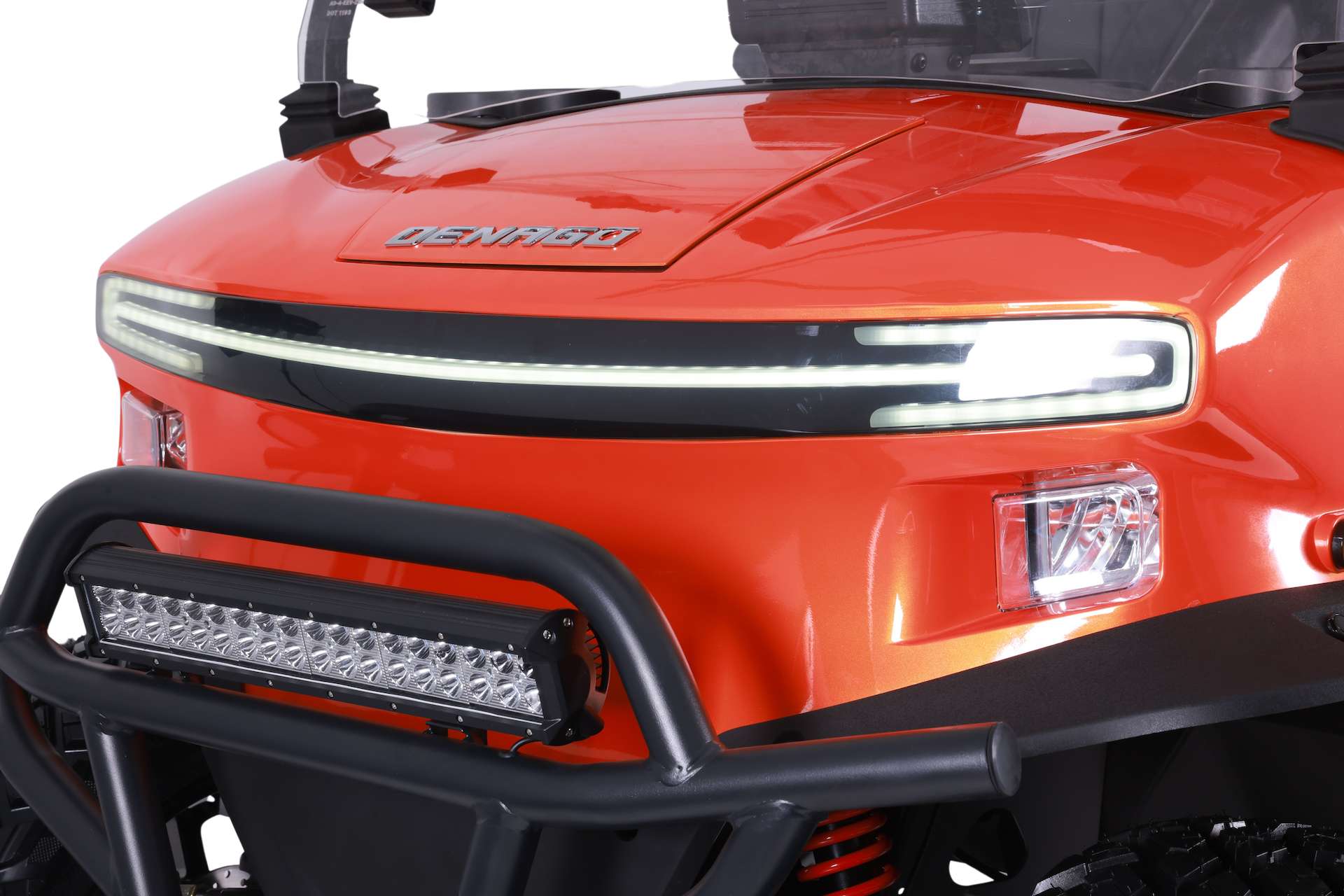
Advanced lithium battery systems provide reliable Canadian performance
Essential Features for First-Time Buyers
When transitioning from basic golf carts to premium electric vehicles, certain features distinguish quality options from budget alternatives. These features directly impact safety, comfort, and long-term satisfaction.
**Frame Construction and Durability**: Aluminum frame construction provides crucial advantages in Canadian conditions. Unlike steel frames susceptible to road salt corrosion, aluminum maintains structural integrity while reducing overall vehicle weight. This weight reduction extends battery range and improves handling characteristics.
**Safety Systems**: Modern electric carts should include comprehensive safety features matching their expanded capabilities. Four-wheel hydraulic disc brakes, full LED lighting systems, backup cameras, and proper seat belt systems ensure safe operation in community environments where families and children are present.
According to industry buying guides, including advice from established golf cart retailers, testing braking performance and steering responsiveness during evaluation drives helps identify vehicles suitable for serious transportation use rather than basic utility applications.
**Technology Integration**: Contemporary electric carts incorporate technology that rivals conventional vehicles. Touchscreen interfaces with Apple CarPlay and Android Auto connectivity provide navigation, entertainment, and communication capabilities that modern buyers expect.
Seating and Configuration Options
First-time buyers often underestimate the importance of seating configuration for their intended use patterns. Consider these common applications:
**Family Transportation**: 4-seat forward-facing configurations work well for couples and small families. The Rover XL format provides comfortable seating with adequate cargo space for community errands and recreational activities.
**Extended Family and Group Use**: 6-seat configurations like the Rover XL 6 accommodate larger groups while maintaining passenger comfort. The 4+2 arrangement provides flexibility for both passenger and cargo transport.
**Specialized Applications**: Enclosed models like the Denago City offer weather protection essential for year-round Canadian use, particularly valuable for communities with extensive walking paths or longer transportation distances.

Choose seating configurations that match your community transportation needs
Canadian Regulatory Considerations
Understanding the regulatory environment helps first-time buyers make informed decisions about vehicle capabilities and intended use patterns. Transport Canada’s Low-Speed Vehicle regulations define the parameters for electric cart operation in Canada.
**Current Use Limitations**: Most electric carts in Canada are restricted to community areas, private roads, club properties, and off-road applications. While some provinces like Ontario have pilot programs allowing limited road use through their LSV pilot program, buyers should plan primarily for community-based transportation.
**Safety Compliance**: Quality electric carts meet federal safety standards appropriate for their intended use while incorporating additional safety features that enhance protection in community environments. This includes proper lighting, braking systems, and occupant restraint equipment.
Insurance and Registration Considerations
Canadian electric cart buyers should verify insurance requirements with their providers. While basic golf carts may fall under homeowner’s policies for private property use, more sophisticated electric vehicles often require specialized coverage, particularly if used in community settings where interaction with pedestrians and other vehicles occurs.
Evaluating Performance and Range
Realistic performance expectations help first-time buyers select appropriate vehicles for their intended applications. Modern lithium electric carts typically provide 40-60 miles of range under normal conditions—more than sufficient for community transportation needs.
**Performance Testing**: When evaluating potential purchases, test vehicles under conditions similar to your intended use. Hills, passenger loads, and weather conditions all impact performance. Quality vehicles maintain consistent performance across varied conditions without significant power degradation.
**Charging Infrastructure**: Consider your charging capabilities when selecting electric cart specifications. Most modern vehicles accommodate standard 120V charging, though 240V systems provide faster charging for frequent-use applications.
**Range Management**: Unlike lead-acid systems that suffer significant capacity loss as charge depletes, lithium systems maintain consistent performance until charge exhaustion, then shut down cleanly without damage. This predictable behavior eliminates range anxiety common with older technologies.
Canadian-Specific Purchasing Considerations
**Local Dealer Networks**: Prioritize manufacturers with established Canadian dealer networks for service, parts availability, and warranty support. Companies like Denago EV with Canadian assembly operations demonstrate market commitment while providing local economic benefits.
**Cold Weather Packages**: Verify that potential purchases include appropriate cold weather capabilities including battery thermal management, cabin heating, and materials selected for temperature extremes.
**Service and Maintenance**: Modern lithium electric carts require minimal maintenance compared to gas-powered alternatives, but access to qualified service technicians remains important for optimal performance and warranty compliance.
Safety research organizations like the Insurance Institute for Highway Safety continue developing standards that apply to emerging vehicle categories, and manufacturers committed to safety excellence help ensure appropriate protection for community transportation applications.
Making Your Final Decision
First-time lithium electric cart buyers in Canada should prioritize established manufacturers offering comprehensive warranties, proven cold weather performance, and robust dealer support networks. The transition from traditional golf carts to modern electric vehicles represents a significant upgrade in capability, safety, and environmental responsibility.
Choose vehicles from companies demonstrating long-term Canadian market commitment through local assembly, dealer development, and climate-appropriate engineering. Quality lithium electric carts provide years of reliable community transportation while supporting the transition to cleaner, quieter neighborhood mobility solutions.
Your investment in modern electric cart technology supports both personal transportation needs and broader environmental goals while delivering the performance and reliability that makes electric mobility practical for Canadian community life.
