

Most homeowners associations in Canada still run gas-powered utility vehicles for day-to-day operations. Maintenance crews fire up a gas UTV at 6 a.m. Security guards do their evening rounds with the same noisy machines. It’s standard practice. But it’s also expensive, dirty, and harder to justify every year when budget season rolls around.
An HOA electric vehicle changes the math. Not overnight, but across a single operating season you’ll notice the difference in your fuel line items, maintenance invoices, and resident complaints about noise and fumes. I’ve spoken with dozens of property managers across Ontario and British Columbia who made the switch, and the feedback is consistent: once you go electric, you don’t go back.
Why Property Managers Are Rethinking Their Fleet
Let’s talk about what a gas UTV actually costs to run. Between gasoline, oil changes, spark plugs, air filters, and winterizing, most Canadian property management teams spend $2,500 to $4,000 CAD per year per vehicle on upkeep alone. Multiply that by three or four units, and you’re looking at a serious chunk of your annual maintenance budget.
A lithium-powered neighbourhood maintenance cart eliminates most of that. The Canadian Condominium Institute has noted in multiple reports that operational cost reduction is one of the top priorities for condo and community boards heading into 2026. Electric carts plug into a standard 120V outlet overnight. No gas cans. No oil spots on the garage floor. No carburetor issues after sitting idle through a cold snap.
The Denago lineup uses LiFePO4 batteries, which hold their charge through Canadian winters far better than older lead-acid systems. You charge it, you use it, you plug it back in. That’s the whole routine.
Maintenance Crews: The Daily Grind
Landscaping inspections, irrigation checks, seasonal planting runs, gutter cleaning coordination. Your maintenance staff covers a lot of ground, and they do it more efficiently from a cart than on foot or in a full-size pickup truck that’s overkill for internal pathways.
The Rover XL is built for exactly this kind of work. It has a cargo deck that fits tools, supplies, and equipment trays. The aluminum frame won’t rust, which matters a lot in communities near salt air in coastal British Columbia or anywhere road salt drifts into parking areas. Less rust means fewer replacement parts and a longer service life. Over five to seven years, that adds up to real savings.
One property manager I worked with in Mississauga told me his crew finishes their morning inspection route 40 minutes faster with carts compared to walking the property. That’s nearly five hours saved per week across a small team. He redeployed that time toward resident service requests that had been piling up.
Security Patrols That Don’t Wake the Neighbours
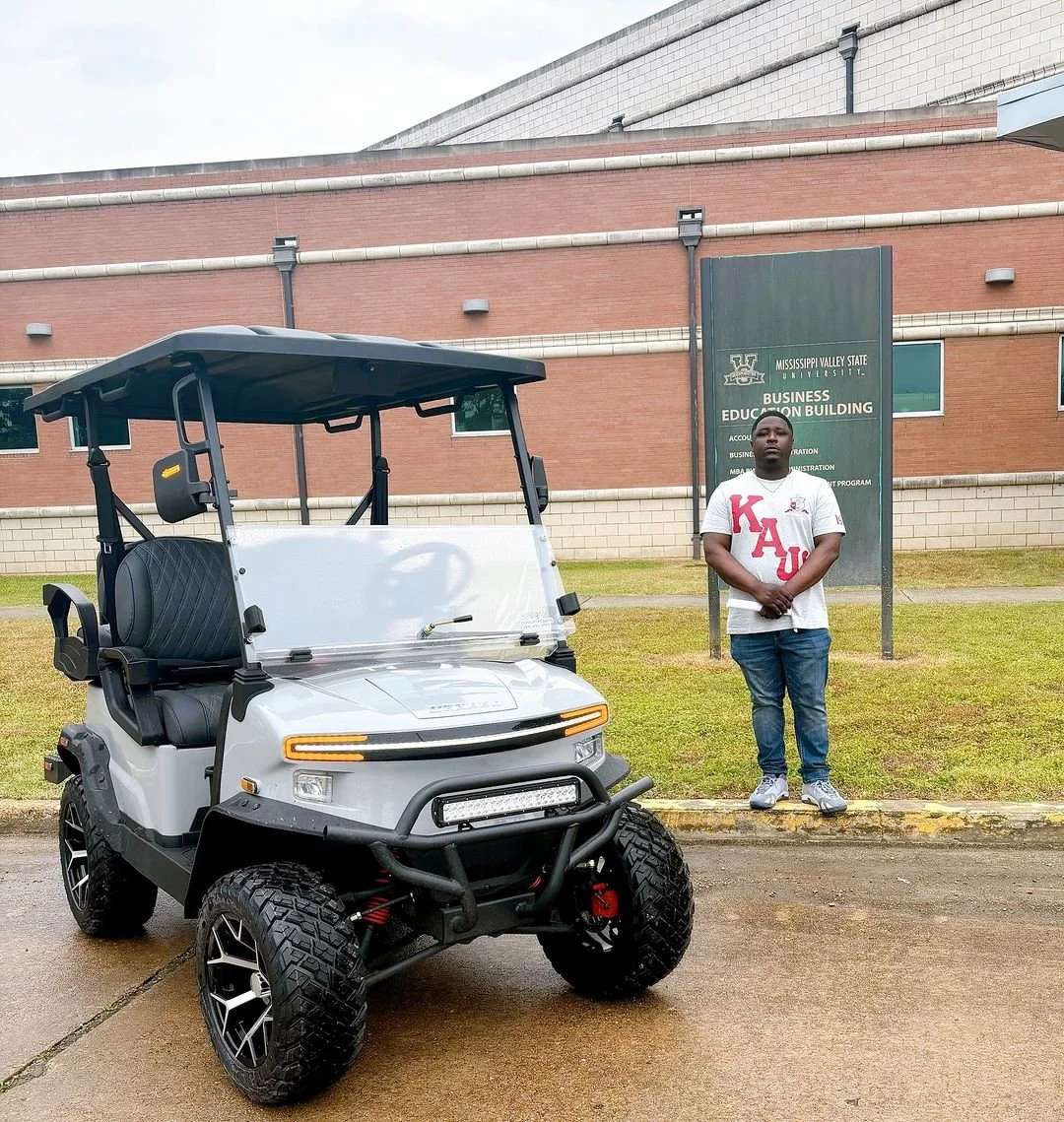
Here’s a detail that doesn’t show up on a spreadsheet but absolutely matters to board members: noise complaints. Gas UTVs are loud. When security starts a patrol at 5:30 a.m. or wraps up at 11 p.m., every resident along the route hears it. For communities with shift workers, young families, and retirees, that’s a real quality-of-life issue.
Electric carts run nearly silent. LED headlights and taillights give security staff full visibility during early morning and late evening patrols without the engine roar that used to announce their presence two streets over. It’s a quieter operation, and residents notice.
The built-in backup camera on Denago models deserves a mention here too. Security and maintenance staff regularly need to back into tight spots between parked cars, around retaining walls, and along narrow pathways lined with hedges. The camera view makes those maneuvers straightforward, reducing the risk of property damage that ends up as an insurance claim.
Guest Transportation and Event Support
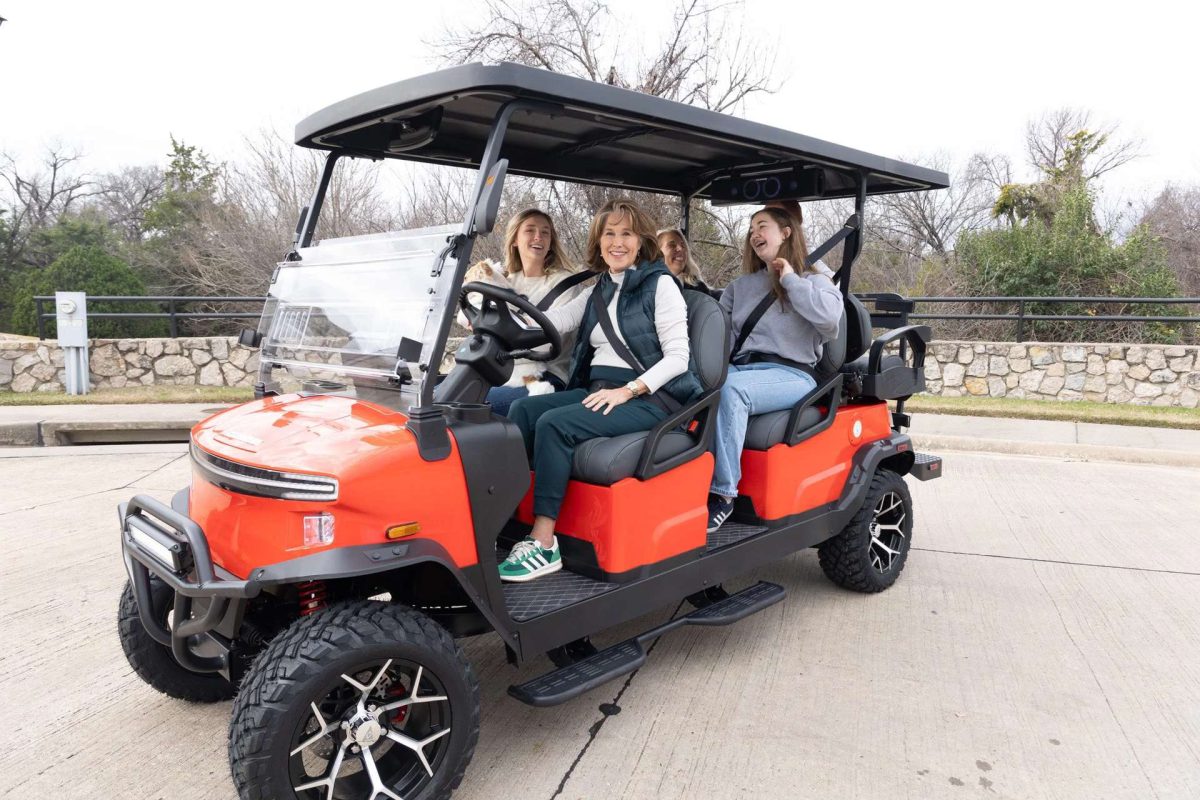
Larger planned communities and condo corporations regularly host seasonal events. Canada Day barbecues, summer movie nights, holiday markets. Setting up and tearing down these events requires moving tables, chairs, signage, and audio equipment across the property, sometimes multiple times in a single weekend.
The Rover XL 6 handles guest transport with six passenger seats, making it ideal for shuttling residents from parking areas to event spaces or carrying board members on property tours. For smaller communities that need a simpler work vehicle, the Nomad provides a budget-friendly option for staff use without unnecessary extras.
I’ve seen communities use their carts for move-in assistance, helping new residents transport boxes and furniture from the entrance to their unit. It’s a small gesture that makes a big impression during someone’s first week in the neighbourhood.
Emergency Response Within Community Grounds
When something goes wrong on the property, a burst pipe in winter, a fallen tree branch after a storm, a medical situation near the clubhouse, your response time matters. Having a cart stationed on-site means staff can reach any point in the community in minutes rather than walking or waiting for a full vehicle to be moved.
Apple CarPlay integration on Denago carts lets staff stay connected while on the move. A maintenance supervisor can take a call from a resident reporting an issue and head directly to the location without pulling over or fumbling with a phone. Security staff can coordinate with local emergency services if needed, all while remaining mobile within the community grounds.
Comparing Electric Carts to Gas UTVs: The Real Numbers
If your board is evaluating a community association EV purchase, here’s a straightforward comparison based on what we see from Canadian property management clients:
- Fuel cost: Gas UTVs in Canada typically run $800 to $1,400 CAD annually per vehicle. Electric carts cost $150 to $300 CAD in electricity over the same period.
- Maintenance: Gas vehicles need oil changes ($80-120 each, 3-4 times yearly), filter replacements, and periodic engine service. Electric carts need tire rotations, brake checks, and battery care. Total annual maintenance is often 60-70% lower.
- Lifespan: A quality aluminum-frame electric cart lasts 7-10 years with proper battery care. Gas UTVs typically see 5-7 years before major component failures.
- Resale value: Lithium battery carts hold value well in the Canadian market as more communities make the switch.
The Community Associations Institute has published research showing that communities with documented cost savings from operational improvements have an easier time passing special assessments and budget approvals. Switching to electric carts gives your board something concrete to present at the next AGM.
Zero Emissions, Zero Guilt
Canadian communities are increasingly expected to meet environmental standards. Many municipalities now require sustainability plans as part of development approvals, and existing communities face pressure from residents to reduce their carbon footprint.
An electric property management golf cart produces zero emissions on community grounds. No exhaust. No fuel spills near storm drains. No gas storage requirements that trigger fire code compliance headaches. For boards that have committed to green initiatives, this is an easy win you can actually measure and report.
The quiet operation also protects local wildlife in communities near ravines, wetlands, or wooded areas. Birds and small animals aren’t scattered by engine noise, which matters in master-planned communities that market their natural surroundings as an amenity.
Choosing the Right Cart for Your Community
Not every HOA needs the same setup. A small townhome complex with 80 units has different requirements than a 500-home golf course community. Here’s how I’d break it down:
Small communities (under 150 units): A single Nomad covers basic maintenance routes and can be shared between staff roles. Low upfront cost, simple to operate, easy to charge from any standard outlet in the maintenance garage.
Medium communities (150-400 units): One Rover XL for maintenance and one Rover XL 6 for events and guest transport gives you full coverage. The backup camera on both models helps in tighter layouts with narrow lanes and cul-de-sacs.
Large communities (400+ units): A fleet of two or three carts, typically a mix of Rover XLs for grounds crews and a Rover XL 6 for guest services, lets you run multiple operations simultaneously without bottlenecks.
If you’re unsure what fits your property, reach out to our team and we’ll walk through your community’s layout, staffing, and budget. We work with Canadian HOAs and property management firms every week, and we know what questions to ask.
About Jacob — Denago EV Canada
Jacob is a product specialist at Denago EV Canada, based in North York, Toronto. With years of hands-on experience in the electric vehicle space, he helps Canadian families, communities, and businesses find the right lithium-powered cart for their needs. When he’s not writing about LiFePO4 batteries and community mobility, you’ll find him testing the latest Denago models around Ontario’s cottage country.
