
The Battery Revolution in Canadian Electric Cart Technology
The battery technology landscape for Canadian electric cart owners has undergone a fundamental transformation. While lead-acid batteries dominated the market for decades, Lithium Iron Phosphate (LiFePO4) technology is rapidly becoming the preferred choice for discerning buyers who prioritize performance, longevity, and environmental responsibility.
This shift represents more than just technological advancement—it reflects a strategic investment in superior technology that delivers measurable benefits across all aspects of electric cart ownership, from daily performance to long-term economic value.
Understanding the technical and practical differences between these technologies empowers Canadian buyers to make informed decisions that align with their specific needs, climate conditions, and usage patterns.
Fundamental Technology Differences
The distinction between LiFePO4 and lead-acid batteries extends far beyond simple energy storage. These technologies represent fundamentally different approaches to electrical energy management, each with distinct characteristics that impact performance, safety, and ownership experience.
**Chemistry and Safety Profile**: LiFePO4 batteries utilize lithium iron phosphate chemistry that provides enhanced thermal and chemical stability compared to both lead-acid and standard lithium-ion alternatives. This stability translates to superior safety characteristics crucial for Canadian climate conditions, where temperature extremes can stress battery systems.
According to comprehensive research by the EPA on electric vehicle battery reliability, modern lithium battery systems show remarkably low failure rates, with replacement rates under 2.5% for established manufacturers—demonstrating the technology’s maturity and reliability.
**Energy Density and Weight Considerations**: LiFePO4 batteries provide significantly higher energy-to-weight ratios than lead-acid alternatives. A typical 100Ah LiFePO4 battery weighs approximately 28-35 pounds, compared to 75+ pounds for equivalent lead-acid capacity. This weight reduction improves vehicle handling, extends range, and reduces stress on cart suspension systems.
Cycle Life and Longevity Comparison
The most dramatic difference between these technologies lies in their operational lifespan and cycle life characteristics. Technical analysis from battery technology specialists demonstrates stark performance differences that directly impact ownership economics.
**LiFePO4 Cycle Life**: Quality LiFePO4 systems deliver 1,000 to 3,000 charge/discharge cycles while maintaining 80% capacity. Under typical Canadian usage patterns, this translates to 5-8 years of reliable service with minimal performance degradation.
**Lead-Acid Limitations**: Traditional lead-acid batteries typically provide 200-1,000 cycles, depending on depth of discharge and maintenance quality. Deep discharge cycles, common in electric cart applications, significantly reduce lead-acid lifespan to 1-3 years under similar usage conditions.
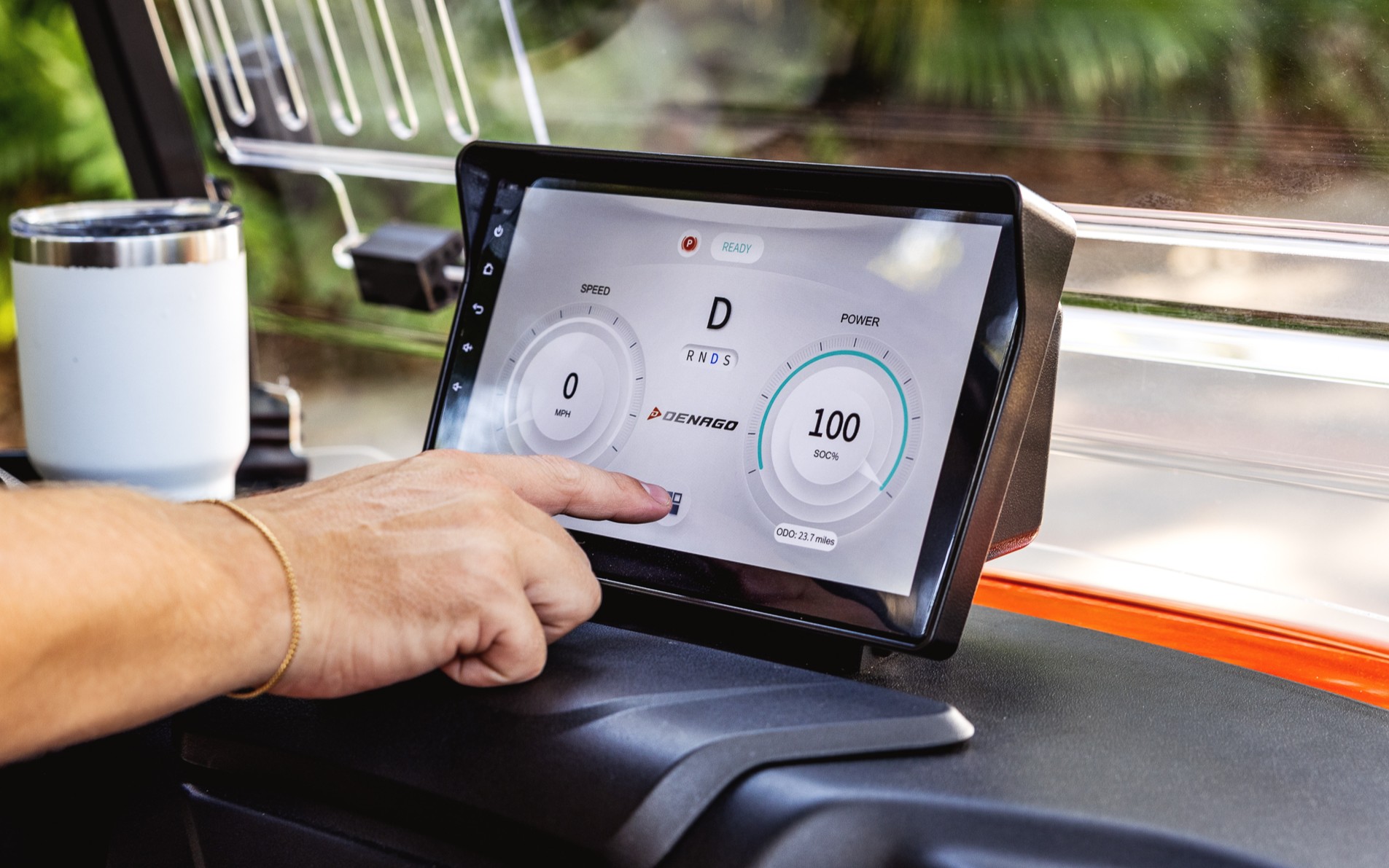
Modern battery management systems provide real-time performance monitoring
Canadian Climate Performance
Canadian electric cart buyers must evaluate battery performance across extreme temperature variations that challenge both technologies differently. Understanding these performance characteristics helps buyers select appropriate systems for their specific regional conditions.
**Cold Weather Performance**: LiFePO4 batteries maintain better performance in cold conditions through integrated battery management systems that include thermal monitoring and protective heating elements. While all batteries experience reduced capacity in extreme cold, LiFePO4 systems typically retain 70-80% capacity at -20°C, compared to 40-50% for lead-acid alternatives.
**Thermal Management**: Advanced LiFePO4 systems incorporate sophisticated thermal management that automatically adjusts charging and discharging parameters based on temperature conditions. This smart management extends battery life while maintaining safe operation across Canada’s diverse climate zones.
**Summer Heat Tolerance**: Hot summer conditions that stress lead-acid batteries have minimal impact on properly designed LiFePO4 systems. The thermal stability of lithium iron phosphate chemistry prevents the capacity loss and shortened lifespan that affect lead-acid batteries exposed to sustained high temperatures.
Depth of Discharge Benefits
One of the most practical advantages of LiFePO4 technology for electric cart applications lies in depth of discharge tolerance, which directly impacts usable capacity and operational flexibility.
**LiFePO4 Discharge Capability**: Modern LiFePO4 batteries safely discharge to 20% capacity without long-term damage or capacity loss. This means a 100Ah battery provides approximately 80Ah of usable capacity for daily operations.
**Lead-Acid Discharge Limitations**: Lead-acid batteries suffer permanent capacity loss when discharged below 50% regularly. The same 100Ah lead-acid battery provides only 50Ah of usable capacity if owners want to maximize battery lifespan.
This fundamental difference means LiFePO4 systems provide 60% more usable capacity from equivalent rated battery capacity—a significant advantage for Canadian users who need reliable range for community transportation.
Maintenance and Operational Considerations
The maintenance requirements and operational characteristics of these battery technologies impact both convenience and long-term costs for Canadian electric cart owners.
**LiFePO4 Maintenance Simplicity**: Modern LiFePO4 systems are essentially maintenance-free, requiring no water additions, terminal cleaning, or capacity equalization procedures. Battery management systems handle cell balancing and charging optimization automatically.
**Lead-Acid Maintenance Demands**: Traditional lead-acid batteries require regular maintenance including water level monitoring, terminal cleaning, and periodic equalization charging. In Canadian conditions, this maintenance becomes more challenging during winter months when access to vehicles may be limited.
Safety considerations addressed by organizations like the Insurance Institute for Highway Safety increasingly favor technologies that reduce maintenance requirements while improving operational safety—another advantage for lithium systems.
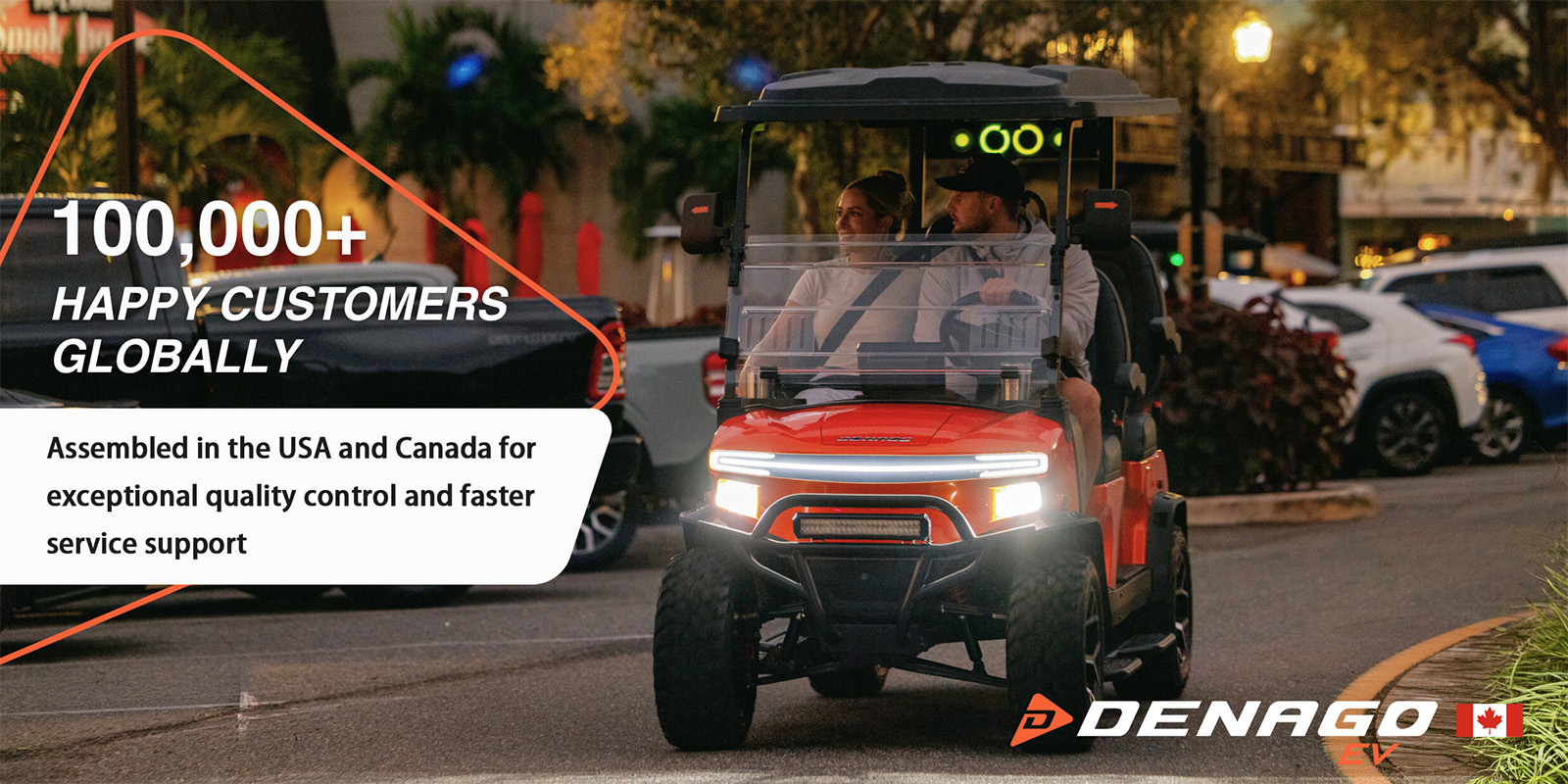
Canadian assembly ensures optimal battery integration for local conditions
Charging Characteristics and Efficiency
The charging behavior of these battery technologies significantly impacts daily usability and energy costs for Canadian electric cart owners.
**LiFePO4 Charging Efficiency**: Lithium systems achieve 95%+ charging efficiency and can accept rapid charging without damage. Full charging typically completes in 2-4 hours, and partial charging doesn’t harm battery lifespan.
**Lead-Acid Charging Limitations**: Lead-acid batteries require longer charging periods (6-12 hours for full charge) and suffer from lower charging efficiency (70-85%). Incomplete charging cycles gradually reduce capacity over time.
The improved charging efficiency of LiFePO4 systems reduces electricity costs while providing greater operational flexibility for users with varying daily schedules.
Economic Analysis for Canadian Buyers
While LiFePO4 batteries require higher initial investment, total cost of ownership analysis often favors lithium technology for serious electric cart users, particularly in Canadian conditions that stress battery systems.
**Initial Cost Comparison**: Quality LiFePO4 battery systems typically cost 3-5 times more than equivalent lead-acid batteries. A 100Ah LiFePO4 system may cost $2,000-3,500, compared to $400-800 for lead-acid alternatives.
**Replacement Cost Analysis**: However, LiFePO4 systems last 2-3 times longer than lead-acid alternatives under equivalent usage patterns. Over 8-10 years, buyers may purchase 3-4 lead-acid battery sets versus one LiFePO4 system.
**Performance Value**: The superior usable capacity, charging efficiency, and reliable performance of LiFePO4 systems provide additional value that affects daily usability and satisfaction beyond pure cost considerations.
Environmental Impact Considerations
Environmental consciousness drives many Canadian community decisions, and battery technology choices contribute to overall sustainability goals.
**LiFePO4 Environmental Benefits**: Lithium batteries contain no toxic heavy metals and maintain longer service life, reducing disposal frequency. The chemistry is more environmentally friendly during both use and eventual recycling.
**Lead-Acid Environmental Concerns**: While lead-acid batteries are recyclable, they contain toxic materials that require careful handling. The shorter lifespan means more frequent disposal and replacement cycles.
Regulatory guidance from Transport Canada emphasizes safety and environmental responsibility in vehicle technology choices, factors that favor advanced battery systems.
Canadian-Specific Purchasing Recommendations
For Canadian electric cart buyers evaluating battery technology options, several factors should guide decision-making based on local conditions and usage patterns.
**Climate Zone Considerations**: Buyers in extreme cold regions (Prairie provinces, Northern Ontario) benefit most from LiFePO4 thermal management capabilities. Coastal regions with milder winters may find performance differences less dramatic but still significant.
**Usage Intensity**: Daily users and community fleet operations justify LiFePO4 investment through improved reliability and reduced maintenance requirements. Occasional users might find lead-acid economics more favorable despite performance limitations.
**Local Service Support**: Verify that local dealers can properly service and support chosen battery technology. LiFePO4 systems require specific charging equipment and understanding of lithium battery management.
Integration with Canadian Assembly
Canadian-assembled vehicles like those from Denago EV optimize battery integration for local conditions, ensuring that thermal management, charging systems, and safety features work effectively in Canadian climates.
**Warranty and Support**: Canadian assembly operations provide better warranty support and parts availability, crucial for advanced battery systems that represent significant investments.
**Cold Weather Packages**: Manufacturers with Canadian operations design battery systems specifically for local climate conditions, incorporating features that may not be standard on vehicles designed for warmer markets.
The transition from lead-acid to LiFePO4 battery technology represents a significant advancement in electric cart capability, particularly valuable for Canadian users who demand reliable performance across diverse climate conditions. While the initial investment is substantial, the combination of superior performance, reduced maintenance, and extended lifespan often justifies the premium cost for serious electric transportation users.
Canadian buyers choosing LiFePO4 technology position themselves at the forefront of electric vehicle advancement while enjoying immediate benefits in performance, reliability, and operational convenience that enhance the overall electric cart ownership experience.
