
I walked into a resort manager’s office near Bancroft last fall and the first thing I noticed was a whiteboard covered in numbers. Fuel costs. Maintenance invoices. Guest complaints about noise from the gas utility vehicle driving past their cabin at 6 AM.
“We spend more on cart upkeep than on the pool heater,” she told me. That conversation stuck with me.
I’m Jacob, a product specialist at Denago EV Canada. I work with resorts, lodges, and hospitality properties across Canada, and the shift from gas-powered utility vehicles to lithium electric carts is accelerating for one simple reason: the math works.
The Guest Experience Problem

Resort guests come to disconnect. They want quiet mornings on the deck, clean air, and a sense of being somewhere special. A gas-powered UTV roaring past the lakeview cabins at dawn shatters that illusion instantly.
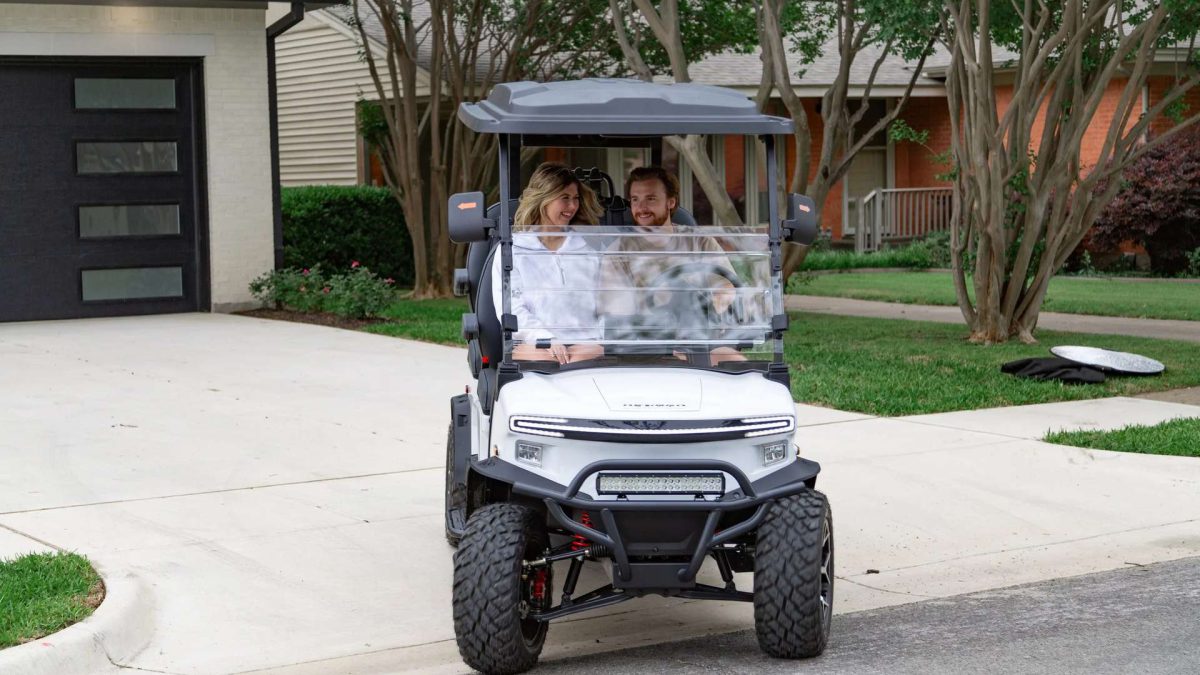
Electric carts solve this immediately. The motor is nearly silent. Staff can make early morning supply runs, deliver breakfast to cabins, or transport linens without waking a single guest.
The 10-inch touchscreen with Apple CarPlay also means staff can use navigation, take calls from the front desk, and coordinate pickups without pulling out a phone. For resorts where guest service speed matters, that’s a real operational advantage.
Operational Savings That Add Up
Let’s talk numbers. A typical mid-sized Canadian resort might run two or three gas-powered utility vehicles for 8 to 10 hours a day during peak season. Here’s what that costs:
Fuel. Gas carts burn roughly 1 to 1.5 litres per hour of operation. At Canadian gas prices, that adds up across a six-month season.
Maintenance. Oil changes, air filters, spark plugs, belt replacements. Gas engines have dozens of moving parts that wear out. A typical season of maintenance on a gas UTV runs $400 to $800 per vehicle.
Downtime. When a gas cart is in the shop, it’s not serving guests. That means either scheduling around repairs or keeping a spare vehicle, which costs even more.
LiFePO4 electric carts have none of those recurring costs. No gas to buy. No oil to change. No spark plugs to replace. You charge it overnight and drive it all day. The 8-year battery warranty on Rover models means you’re covered for multiple full seasons.
Guest Transportation That Feels Premium
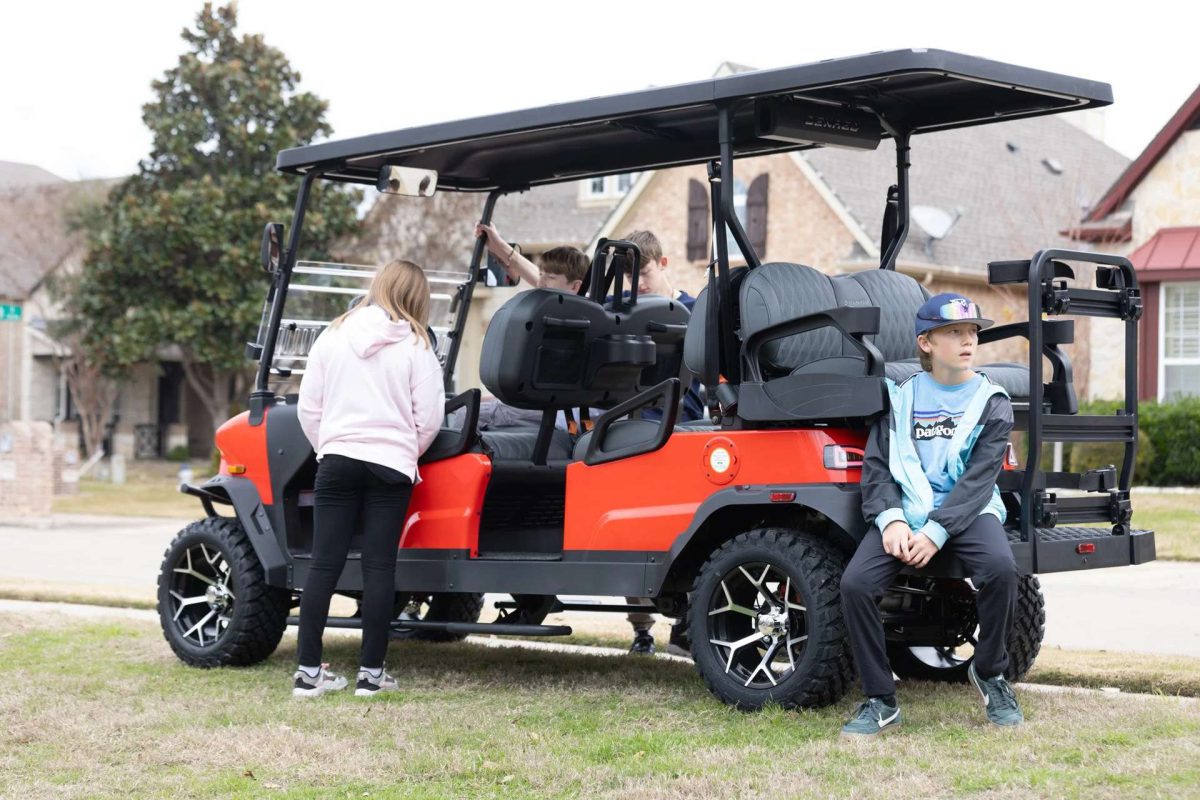
For resorts offering guest transport, the vehicle itself becomes part of the experience. A bumpy, noisy gas cart feels like a construction site. A smooth, quiet electric cart with comfortable seating feels like a premium service.
The Rover XL 6 is particularly well-suited for guest shuttles. Six seats, forward-facing, with the same hydraulic disc brakes and LED lighting as our other models. Guests notice the difference. They comment on the touchscreen. They ask about the technology. It becomes a talking point, not just transportation.
Maintenance and Housekeeping Efficiency
Resort maintenance teams use carts constantly. Landscaping runs, pool chemical transport, garbage collection, cabin turnover between guests.
The Rover XL handles all of this with a rear cargo deck that carries tools, supplies, and equipment. The backup camera makes maneuvering in tight spaces between cabins straightforward. The aluminum frame means no rust concern from pool chemicals, lawn irrigation, or seasonal humidity.
For larger properties, we often recommend a mix: a Rover XL 6 for guest transport and a Rover XL or Nomad XL for housekeeping and maintenance.
Winter Operations
Canadian resorts that operate year-round, or those that shut down and need to maintain the property through winter, benefit from the cold-weather performance of LiFePO4 batteries.
Unlike lead-acid batteries that lose significant capacity in cold temperatures, lithium iron phosphate maintains usable capacity down to -20°C. For ski resorts, winter lodges, or properties that need year-round ground maintenance, that’s a meaningful advantage.
The aluminum frame also means no salt damage on winter roads and paths within the resort grounds.
Making the Transition
If you’re a resort or lodge operator considering the switch, here’s my recommendation:
Start with one vehicle. Replace your highest-use gas cart with an electric model and run it for a full season. Track the difference in fuel costs, maintenance hours, and guest feedback.
Choose based on your primary use case. Guest shuttle: Rover XL 6. Maintenance and cargo: Rover XL. Mixed light duty: Nomad XL.
Talk to us about fleet pricing. We work with hospitality properties across Canada and can structure packages for multi-vehicle purchases.
Frequently Asked Questions
How many carts does a typical resort need?
It depends on property size and guest capacity. A 30-cabin resort usually runs 2 to 3 carts during peak season. We can help you assess based on your specific property.
Can the carts handle hilly resort terrain?
Yes. The 5kW/6.3kW AC motor on Rover models provides plenty of torque for inclines and varied terrain common at Canadian resort properties.
What about charging infrastructure?
Each cart charges from a standard 110V outlet. If you’re running multiple carts, we can advise on electrical capacity and charging station placement.
The Bottom Line for Resort Operators

The resorts I work with that have made the switch all report the same outcomes: lower operating costs, fewer guest complaints about noise, and a more premium feel to their on-site transportation. When your guests are paying for an experience, every detail counts.
Contact our team to discuss your resort’s specific needs, or explore the Rover XL 6 and Rover XL models that are most popular with Canadian hospitality properties.
About Jacob — Denago EV Canada
Jacob is a product specialist at Denago EV Canada, based in North York, Toronto. With years of hands-on experience in the electric vehicle space, he helps Canadian families, communities, and businesses find the right lithium-powered cart for their needs. When he’s not writing about LiFePO4 batteries and community mobility, you’ll find him testing the latest Denago models around Ontario’s cottage country.
